


AGS Blog
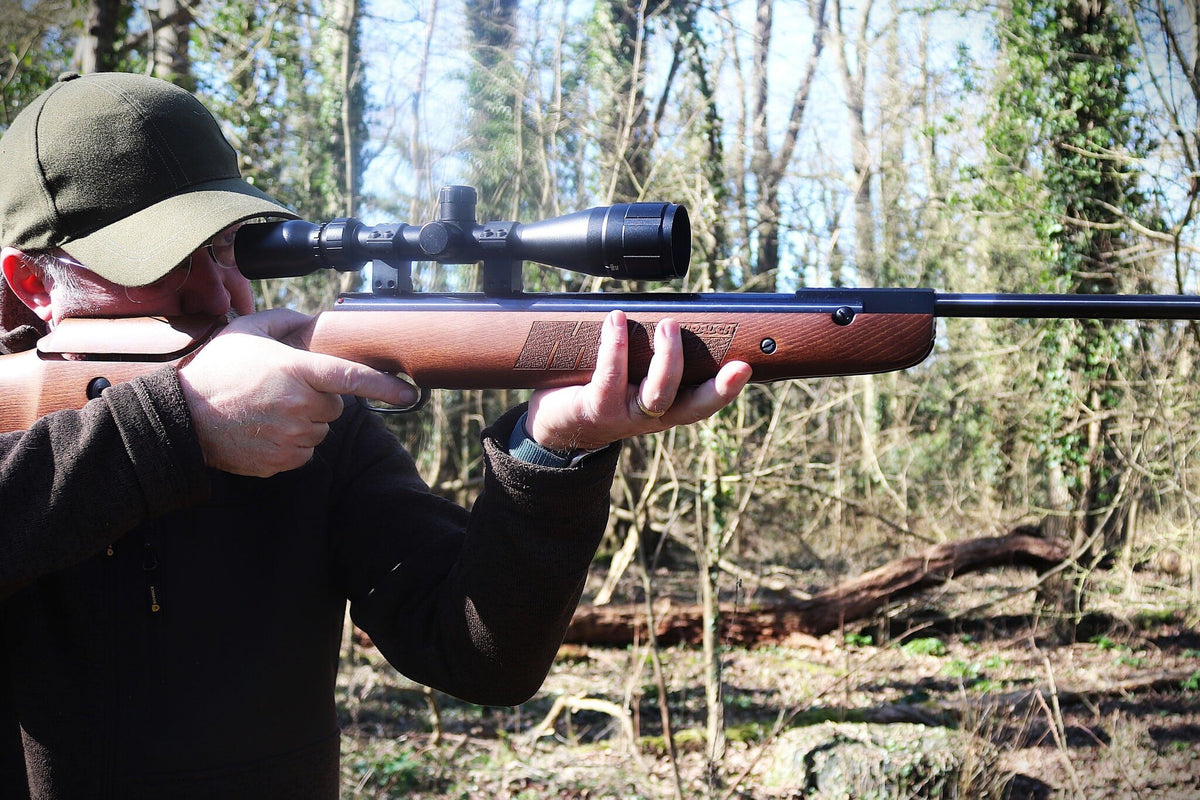

Troubleshooting Common Nitro Piston Problems and Solutions
Nitro gas piston air rifles represent some of the most reliable and maintenance-free airguns available today. Their sealed powerplant design eliminates many of the issues that plague traditional spring-piston rifles, delivering consistent performance across thousands of shots. However, like any mechanical device, gas piston rifles can occasionally develop problems that affect accuracy, power, or functionality. Understanding how to diagnose and resolve these issues keeps your rifle performing at peak capability. At Airgun Source Canada, we've supported Canadian airgunners for over 20 years, helping diagnose and solve countless air rifle problems. This comprehensive troubleshooting guide addresses the most common nitro piston issues, explains their causes, and provides practical solutions you can implement to restore your rifle's performance. Understanding Nitro Piston Reliability Before diving into troubleshooting, it's important to understand what makes gas piston rifles so reliable—and what can go wrong: Gas piston systems use a sealed nitrogen-filled cylinder instead of a coiled steel spring. This sealed unit contains pressurized inert gas, a piston rod, and high-quality seals. The simplicity of this design means fewer moving parts, less friction, and reduced wear compared to spring-piston mechanisms. Most gas piston problems stem from four sources: seal degradation, improper maintenance practices, scope mounting issues, or user technique errors rather than actual powerplant failures. The gas ram itself rarely fails—typically lasting 20,000-30,000 shots or more before requiring service. Problem 1: Velocity Loss or Inconsistent Power Symptoms: Chronograph readings show significantly lower velocity than manufacturer specifications Shot-to-shot velocity variations exceed 20-30 fps Pellets don't impact with expected force Noticeable reduction in power compared to when rifle was new Diagnosis Steps Step 1: Verify Your Baseline Before assuming your rifle has problems, confirm the expected velocity. Manufacturer specifications typically represent maximum velocity with the lightest pellets. Using heavier hunting pellets will naturally produce lower velocities—this is normal and expected. Check your chronograph readings against realistic expectations. A .22 caliber rifle rated at 900 fps with lightweight pellets might only achieve 750-800 fps with quality hunting pellets weighing 14-15 grains. Step 2: Check for Seal Leakage Gas piston systems maintain pressure through high-quality seals at both ends of the cylinder. Seal degradation allows nitrogen to escape, reducing pressure and power. Test procedure: Cock the rifle and listen for any hissing sounds Feel for air escaping near the compression chamber Observe whether the rifle becomes easier to cock over time (indicating pressure loss) Check if the rifle loses power gradually over shooting sessions Step 3: Inspect Pellet Fit Undersized pellets allow air to bypass around the projectile, wasting energy and reducing velocity. Oversized pellets create excessive friction. Test procedure: Try several different pellet brands and head sizes Proper pellet fit requires gentle thumb pressure to seat fully in the breech The pellet should grip the rifling when loaded but not require excessive force Solutions for Velocity Loss Solution 1: Pellet Optimization Switch to quality pellets sized appropriately for your barrel. Many velocity problems disappear simply by finding pellets that seal properly. Popular choices include: JSB pellets (available in multiple head sizes) H&N pellets (German precision manufacturing) Crosman Premier pellets (excellent value and consistency) Solution 2: Barrel Cleaning Lead buildup in the barrel increases friction and reduces velocity. Clean your barrel every 300-500 shots: Use a brass or nylon bore brush (never steel) Apply airgun-specific cleaning solution Push patches through until they come out clean Apply a very light coat of gun oil Run dry patches until clean Solution 3: Professional Service If velocity loss persists after pellet optimization and cleaning, the gas ram may need recharging or seal replacement. Contact the manufacturer or a qualified airgun technician. Most gas rams can be recharged, though the cost approaches 50-60% of a new powerplant. Prevention: Store rifle with barrel closed (never leave cocked) Avoid dry-firing (always shoot with a pellet loaded) Use proper artillery hold technique to minimize stress on seals Keep the rifle clean and free from debris Problem 2: Difficult or Excessively Easy Cocking Symptoms: Cocking force suddenly increases significantly Rifle becomes much easier to cock than normal Inconsistent cocking resistance (varies between shots) Unusual sounds during cocking Diagnosis Steps Increased Cocking Effort: If your rifle suddenly requires significantly more force to cock, check for: Pivot bolt tightness (overtightened pivot bolts bind the barrel) Debris in the hinge mechanism Dried lubricant causing friction Bent or damaged cocking linkage Decreased Cocking Effort: Dramatically reduced cocking force usually indicates: Seal failure (nitrogen pressure escaped) Broken internal components Piston rod damage Solutions For Excessive Cocking Force: Solution 1: Adjust Pivot Bolt Tension The barrel pivot bolt should be tight enough to eliminate wobble but not so tight that it binds barrel movement. Adjustment procedure: Locate the pivot bolt (usually underneath the muzzle area) Loosen slightly (1/4 turn at a time) Test cocking smoothness Tighten just until barrel wobble disappears Apply thread locker to prevent loosening Solution 2: Clean and Lubricate Pivot Points Remove the stock and apply airgun-appropriate grease to: Barrel pivot point Cocking lever pivot Trigger linkage points Use moly grease or similar products designed for airguns. Avoid WD-40 or penetrating oils that attract dirt. For Reduced Cocking Force: Unfortunately, dramatically reduced cocking effort typically indicates gas ram failure requiring professional service or replacement. This isn't user-serviceable and requires factory or qualified technician intervention. Problem 3: Accuracy Degradation Symptoms: Groups opening up compared to previous performance Random fliers that can't be explained by wind or technique Shift in point of impact without scope adjustment Inconsistent shot placement despite proper technique Diagnosis Steps Step 1: Eliminate User Error Before assuming mechanical problems, verify proper shooting technique: Artillery hold being used correctly? Consistent cheek weld and eye relief? Quality pellets being used? Shooting from stable position? Step 2: Check Scope Mounting Air rifle recoil is uniquely challenging for scopes. Check: Mount screws tightness (should be snug but not overtightened) Scope ring alignment (misaligned rings stress scope tube) Scope base security (base must be firmly attached to receiver) Look for visible scope movement or ring marks on scope tube Step 3: Inspect Barrel and Crown Examine: Crown (muzzle end) for dings, burrs, or damage Barrel for obvious bends or damage Breech seal condition and alignment Overall cleanliness Solutions for Accuracy Problems Solution 1: Proper Scope Mounting Air rifles require scope mounting systems designed for their unique recoil: Remove scope and rings completely Clean all mounting surfaces with degreasing agent Install high-quality airgun-rated mounts (look for "stops" that prevent scope creep) Mount scope ensuring proper eye relief Tighten ring screws gradually in X-pattern to proper torque (typically 15-20 inch-pounds) Apply thread locker to prevent loosening Solution 2: Barrel Break-In New barrels often require 100-200 shots to "break in" and achieve peak accuracy. During this period: Groups may be larger than expected Cleaning is required more frequently Different pellets may perform better at different stages Solution 3: Pellet Testing Every rifle has pellet preferences. Test 5-shot groups at 25 meters with various pellets: Start with premium brands (JSB, H&N, Air Arms) Try different weights within your caliber Test at least 3-5 different pellets before concluding accuracy problems Keep detailed records of what works Solution 4: Stock Screw Tension Action screws (stock mounting bolts) should be snug but not overtightened: Remove stock screws Clean threads and apply very light grease Reinstall and tighten until snug Shoot test group If accuracy improves, tension was the issue Prevention: Use quality airgun-rated scope mounts Check mount tightness every 500 shots Clean barrel regularly Practice proper artillery hold technique Store rifle properly to avoid impact damage Problem 4: Unusual Noises During Firing Symptoms: New sounds that weren't present when rifle was new Rattling, pinging, or buzzing sounds Metallic scraping sounds Loud "twang" similar to spring rifles Diagnosis and Solutions Sound: Rattling or Buzzing Cause: Loose stock screws or scope mount screws Solution: Tighten all mounting hardware. Check stock screws, scope ring screws, and trigger guard screws. Sound: Metallic Scraping Cause: Cocking linkage needs lubrication or adjustment Solution: Disassemble (if comfortable) and apply appropriate lubricant to pivot points and linkage connections. Sound: Loud Twang (Spring-Like Sound) Cause: Compressed air escaping past breech seal or loose internal components Solution: Check breech seal condition Ensure barrel locks up tight when closed Inspect barrel pivot for excessive wear May require professional service if internal components loose Sound: Hissing After Shot Cause: Breech seal deterioration or improper seating Solution: Replace breech seal (inexpensive and user-serviceable on most models). Breech seals cost $5-15 and can be replaced in 10-15 minutes. Problem 5: Cocking or Loading Difficulties Symptoms: Barrel won't break open fully Barrel difficult to close after loading pellet Cocking lever feels stuck or binds Barrel doesn't lock securely when closed Solutions Barrel Won't Open: Ensure rifle is pointed in safe direction Check that barrel detent/latch is releasing properly Clean and lubricate barrel latch mechanism May need slight pressure to overcome initial resistance if gun hasn't been shot recently Barrel Won't Close: Verify pellet is seated properly (not jammed at angle) Check for debris in breech area Ensure cocking lever is fully engaged Inspect barrel pivot pin for damage or wear Barrel Doesn't Lock: Examine barrel latch and corresponding notch in barrel Clean both surfaces thoroughly Check for wear or damage requiring replacement Ensure proper alignment when closing Problem 6: Trigger Issues Symptoms: Trigger pull became excessively heavy Trigger feels gritty or rough Two-stage trigger lost crisp second stage Trigger won't reset properly Solutions Heavy Trigger Pull: Many air rifles have adjustable triggers. Consult your manual for adjustment procedures. If not adjustable: Remove trigger assembly (with rifle unloaded) Clean thoroughly with degreaser Apply very light trigger-specific lubricant to sear surfaces Reassemble and test (with rifle unloaded initially) Gritty Feel: Dirt, debris, or dried lubricant causes grittiness: Spray trigger mechanism with contact cleaner Work trigger through cycles to flush debris Apply minimal high-quality gun oil Excessive oil attracts dirt—less is more Important: Never attempt trigger adjustments beyond manufacturer specifications. Improper trigger work can create dangerous conditions. When in doubt, consult a qualified gunsmith. When to Seek Professional Service While many issues can be resolved at home, certain problems require professional attention: Seek professional help if: Gas ram needs recharging (requires specialized equipment) Velocity loss persists after pellet optimization and cleaning Internal damage suspected Trigger adjustment beyond your comfort level Barrel or receiver damage Consistent accuracy problems despite all troubleshooting Most manufacturers offer repair services, or you can contact qualified airgun technicians. Repair costs typically range from $75-150 depending on the issue. Preventive Maintenance Schedule The best solution to problems is preventing them: After Every Shooting Session: Wipe down exterior to remove dirt and moisture Clean barrel if shooting more than 50 rounds Check scope mount tightness visually Monthly (or Every 500 Shots): Thoroughly clean barrel Check and tighten all mounting screws Inspect breech seal condition Apply lubricant to pivot points Annually: Deep clean all accessible mechanisms Replace breech seal if showing wear Professional tune-up if rifle sees heavy use Inspect scope for internal damage Storage Best Practices: Store uncocked with barrel closed Keep in dry environment (40-70% humidity ideal) Avoid extreme temperature storage locations Store away from children with appropriate safety measures Why Choose Gas Piston Rifles from Airgun Source Canada Our nitro gas piston rifle collection features over 50 models from trusted manufacturers including Crosman, Gamo, Benjamin, Umarex, and Hatsan. We select rifles with proven reliability records and provide comprehensive customer support to help you troubleshoot any issues that arise. Benefits of buying from us: Expert staff who can troubleshoot over phone or email Access to replacement parts and accessories 20+ years experience supporting Canadian airgunners Comprehensive selection ensuring you get the right rifle initially Priority shipping across Canada Conclusion: Keeping Your Nitro Piston Rifle Running Strong Nitro gas piston rifles offer exceptional reliability compared to traditional spring-piston designs, but understanding common issues and their solutions ensures decades of trouble-free performance. Most problems have simple fixes—proper pellet selection, correct scope mounting, regular cleaning, and appropriate shooting technique resolve 90% of complaints. When mechanical issues do arise, systematic troubleshooting identifies the cause quickly. Many fixes require only basic tools and minimal mechanical aptitude. For more complex problems, professional service restores your rifle to factory performance. Remember: an ounce of prevention beats a pound of cure. Following proper maintenance schedules, using quality pellets, and shooting with correct technique prevents most problems before they start. Need help troubleshooting your gas piston rifle? Our experienced team is here to assist. Call 1-800-565-9527 or email info@airgunsource.com with your rifle model and issue description. We'll help you diagnose the problem and recommend solutions. Ready to experience the reliability of modern gas piston technology? Browse our complete nitro gas piston rifle collection featuring the latest models from leading manufacturers. With proper care and maintenance, these rifles deliver consistent performance for years to come.
Learn more
Multi-Pump Air Rifles Explained: How Variable Power Works
Multi-pump pneumatic air rifles represent one of the most versatile and economical designs in airgun history. Unlike break-barrel spring rifles with fixed power or PCP airguns requiring expensive charging equipment, multi-pump rifles put complete control in your hands—literally. By simply pumping the forearm multiple times, you determine exactly how much power each shot delivers. But how does this ingenious system actually work? Understanding the mechanics, physics, and practical applications of variable power helps you maximize your multi-pump rifle's potential. At Airgun Source Canada, we've helped thousands of Canadian shooters discover the versatility and value of multi-pump rifles over our 20+ years in business. This comprehensive guide explains the engineering behind variable power pneumatic systems and shows you how to optimize performance for every shooting situation. The Basic Pneumatic Principle Multi-pump air rifles operate on a simple yet effective pneumatic principle: compressed air, when released rapidly, propels a projectile down the barrel. The more air you compress into the reservoir, the greater the energy available to push the pellet, and the higher the resulting velocity. Unlike pre-charged pneumatic (PCP) rifles that store air at extremely high pressures (3,000-4,500 PSI), multi-pump rifles operate at much lower pressures—typically between 500-1,000 PSI at maximum pumps. This lower operating pressure eliminates the need for specialized high-pressure charging equipment while still delivering adequate power for target shooting, plinking, and small game hunting. The Anatomy of a Multi-Pump System Understanding the components helps explain how variable power works: The Pump Mechanism The pump assembly consists of several key parts working together: Pump Arm/Forearm: The movable forestock that you grasp and pull forward to create compression. This arm connects to the pump rod through a series of linkages. Pump Rod: A rigid shaft that moves back and forth inside the pump cylinder. When you pull the forearm, the pump rod moves forward, compressing air. Pump Cylinder: A sealed tube where air compression occurs. As the pump rod moves forward, it reduces the volume inside the cylinder, compressing the air trapped within. Inlet Valve: A one-way valve (typically a simple flapper or ball valve) that allows air to enter the pump cylinder when the pump rod retracts but prevents it from escaping when the rod moves forward. Transfer Valve: Another one-way valve that allows compressed air to flow from the pump cylinder into the storage reservoir but prevents it from flowing backward. The Air Storage Reservoir The reservoir—a sealed chamber inside the rifle—stores the compressed air from multiple pump strokes. This chamber must be: Sealed: Airtight construction prevents pressure loss between pumping and firing Durable: Strong enough to withstand repeated pressurization cycles Properly Sized: Large enough to store sufficient air for adequate power but small enough to reach useful pressures with manual pumping Most multi-pump reservoirs hold between 1.5-3.0 cubic inches of air. This relatively small volume means each pump stroke creates a noticeable pressure increase—which is exactly what makes variable power practical. The Firing Valve When you pull the trigger, a hammer strikes the firing valve, which opens briefly to release compressed air behind the pellet. The valve's design ensures: Rapid Opening: Quick valve opening maximizes airflow to the pellet Precise Timing: The valve opens long enough to use available air efficiently without wasting pressure Consistent Operation: The valve opens the same way every shot for velocity consistency How Pumping Creates Variable Power Here's what happens with each pump stroke: First Pump: Establishing Base Pressure Your first pump stroke compresses atmospheric air (14.7 PSI at sea level) into the reservoir. Assuming a well-designed system with minimal internal volume, this first pump might increase reservoir pressure to 50-75 PSI—enough to propel a pellet, but at very low velocity (typically 200-350 fps depending on caliber). At this power level, the rifle produces minimal noise, almost no recoil, and delivers energy suitable only for very short-range target practice or pest deterrence rather than ethical killing power. Pumps 2-5: Building Moderate Power Each subsequent pump adds more compressed air to the reservoir, progressively increasing pressure. The relationship isn't perfectly linear—early pumps add more pressure than later pumps due to increasing resistance—but each pump still contributes meaningful energy. By pump 3-5, most multi-pump rifles reach 200-400 PSI and deliver velocities in the 400-600 fps range. This moderate power level works excellently for: Indoor shooting at 5-10 meters Teaching new shooters with manageable recoil and report Recreational plinking at close range Situations where over-penetration is a concern Pumps 6-8: Approaching Maximum Power As you continue pumping, resistance increases noticeably. You're compressing air that's already under pressure, requiring progressively more effort. However, these middle-range pumps still add substantial velocity. At 6-8 pumps, rifles typically achieve 500-700 PSI and 600-750 fps, depending on caliber and design. This power level provides: Adequate energy for 15-25 meter target shooting Sufficient power for pest control on smaller targets Noticeable but manageable report and recoil Good balance between power and effort Pumps 9-10: Maximum Pressure Most multi-pump rifles reach their maximum rated pump count at 8-10 strokes. Beyond this point, either the rifle reaches its design pressure limit, or pumping becomes so difficult that additional pumps provide minimal velocity gain. At maximum pumps, reservoir pressure typically reaches 800-1,000 PSI, delivering: Velocities: 750-900+ fps depending on caliber and pellet weight Energy: 10-15 foot-pounds (sufficient for small game hunting within appropriate ranges) Report: Moderate crack comparable to a .22 rimfire subsonic round Accuracy: Maximum velocity often delivers best accuracy due to stable ballistics The Physics of Diminishing Returns Why do later pumps add less velocity than early pumps? The physics reveals interesting principles: Pressure vs. Volume Relationship When you compress air, you're doing work against increasing resistance. The first pump compresses atmospheric pressure air, which is relatively easy. The tenth pump compresses air already at 700-800 PSI, requiring significantly more force. Boyle's Law (P₁V₁ = P₂V₂) describes this relationship. As volume decreases (compression), pressure increases proportionally. However, because you're pumping into a fixed-volume reservoir that already contains compressed air, each pump stroke represents a smaller percentage of total volume, thus creating smaller pressure increases. Practical Implications This diminishing return means: Pumps 1-3: Add approximately 50-100 fps each Pumps 4-6: Add approximately 30-60 fps each Pumps 7-8: Add approximately 20-40 fps each Pumps 9-10: Add approximately 10-25 fps each Understanding this helps you make smart decisions about effort vs. benefit. If you need only moderate power, stopping at 5-6 pumps saves significant effort while delivering 80-85% of maximum velocity. Optimizing Variable Power for Different Situations The beauty of multi-pump rifles lies in matching power to purpose: Low Power (2-4 Pumps): Indoor and Close-Range Shooting Ideal for: Indoor shooting galleries and basement ranges Teaching new or young shooters Close-range paper target practice (5-10 meters) Situations requiring minimal noise When practicing trigger control and fundamentals Advantages: Almost silent operation Zero recoil allowing focus on technique Minimal backstop requirements Extremely safe for controlled environments Very economical pellet usage (pellets rarely deform) Velocity range: 300-500 fps Energy: 1-4 foot-pounds Moderate Power (5-7 Pumps): Versatile Plinking and Practice Ideal for: Backyard target shooting Reactive target engagement (spinners, knock-downs) General recreational shooting Practice at 15-25 meters Balancing power with ease of use Advantages: Good compromise between power and effort Adequate for most recreational activities Manageable report for residential areas Quick follow-up shots (less pumping fatigue) Sufficient accuracy for casual shooting Velocity range: 550-700 fps Energy: 5-9 foot-pounds Maximum Power (8-10 Pumps): Hunting and Pest Control Ideal for: Small game hunting (squirrels, rabbits within 20-30 meters) Pest control requiring ethical kills Long-range target shooting (30-50 meters) Situations demanding maximum accuracy and energy When each shot must count Advantages: Adequate energy for ethical small game harvests Flattest trajectory for easier shot placement Maximum penetration and impact Best accuracy potential (most rifles group tightest at max power) Demonstrated capability at maximum design specification Velocity range: 750-900+ fps Energy: 10-15+ foot-pounds Factors Affecting Variable Power Performance Several variables influence how effectively your multi-pump rifle converts pumps into velocity: Pellet Weight Heavier pellets require more energy to accelerate, resulting in lower velocities but higher energy transfer at the target. With a multi-pump rifle: Lightweight pellets (7-8 grains in .177, 12-13 grains in .22): Achieve maximum advertised velocities but carry less energy and are more affected by wind Medium pellets (8-9 grains in .177, 14-15 grains in .22): Provide good balance of velocity and energy for general use Heavy pellets (10+ grains in .177, 16+ grains in .22): Deliver maximum energy and better wind resistance but at significantly lower velocities The same rifle at 10 pumps might achieve 850 fps with lightweight pellets but only 700 fps with heavy hunting pellets—yet the heavy pellets carry more foot-pounds of energy to the target. Ambient Temperature Temperature affects air density and thus the mass of air compressed with each pump. In cold weather (below 10°C), you compress denser air, potentially gaining 2-5% velocity. In hot weather (above 30°C), thinner air reduces velocity slightly. This effect is much less dramatic than with CO2 rifles (which lose significant power in cold) but represents a measurable factor for precision shooting. Seal Condition The pump cup (leather or synthetic seal on the pump rod) and various O-rings throughout the system must seal perfectly to maintain pressure. Worn seals allow air leakage, requiring more pumps to achieve the same velocity. Signs of seal wear: Requiring more pumps than normal for expected velocity Difficulty building pressure Hissing sounds during pumping Gradual velocity decrease over shooting sessions Fortunately, pump cups and O-rings cost just $5-20 and can be replaced easily, restoring full performance. Barrel Length Longer barrels allow compressed air more time to accelerate the pellet, typically producing 20-50 fps more velocity than shorter barrels from the same pressure. However, excessively long barrels create diminishing returns and add weight. Most multi-pump rifles use 18-22 inch barrels—an optimal compromise between velocity, portability, and balance. Valve Design The firing valve's efficiency dramatically affects how much stored air energy converts to pellet velocity. Well-designed valves open quickly, maintain adequate airflow, and close at the optimal moment to use air effectively without waste. Higher-quality multi-pump rifles feature carefully engineered valves that extract maximum performance from each pump stroke. Maintenance for Optimal Variable Power Maintaining variable power performance requires attention to specific components: Pump System Maintenance Every 500 shots: Apply 1-2 drops of air tool oil (or chamber oil) into the pump inlet Work the pump mechanism several times to distribute oil Wipe excess oil from exterior surfaces Annually: Inspect pump cup for wear, cracking, or hardening Check O-rings for deterioration Clean and lubricate pump linkage pivot points Verify inlet and transfer valves seat properly Valve System Maintenance As needed: If velocity decreases unexpectedly, valve seals may need replacement Professional servicing typically costs $40-80 and restores factory performance Some simple valve maintenance is DIY-friendly; consult your rifle's manual Storage Practices Proper storage extends multi-pump life: Store with one pump of air in the system (creates positive pressure that keeps seals expanded) Avoid storing completely empty (seals can dry and shrink) Store in moderate temperatures (avoid extreme heat or cold) Keep mechanism clean and free from debris Comparing Multi-Pump Variable Power to Other Systems Understanding how multi-pump variable power compares to other airgun types helps you choose wisely: Multi-Pump vs. Spring/Gas Piston (Fixed Power) Multi-Pump Advantages: Adjustable power for different situations No recoil or vibration affecting accuracy Silent at low pump counts No scope-damaging recoil impulses Spring/Gas Piston Advantages: Faster shooting (cock and fire, no pumping) Generally more powerful Simpler mechanism with fewer moving parts Multi-Pump vs. PCP (High-Pressure Pneumatic) Multi-Pump Advantages: No external air source required Zero operating costs Completely self-contained No high-pressure concerns PCP Advantages: Much higher power potential Multiple shots per fill Faster shooting cadence Better suited for serious hunting and competition Multi-Pump vs. CO2 (Fixed Pressure) Multi-Pump Advantages: No consumable costs Temperature stable performance Adjustable power Unlimited shots (just pump more) CO2 Advantages: Faster shooting Consistent power per cartridge (until depletion) Very simple operation For budget-conscious shooters who want versatility, temperature stability, and zero operating costs, multi-pumps offer compelling advantages over alternatives. Advanced Techniques: Maximizing Multi-Pump Performance Experienced multi-pump shooters employ several techniques to optimize performance: Consistent Pumping For maximum accuracy, pump with consistent rhythm and effort: Pull forearm fully forward on each stroke Use smooth, controlled movements (not jerky pumps) Count strokes audibly to ensure accuracy Allow brief pause between pumps for air to settle Shot Pacing Unlike PCPs with shot strings from one fill, multi-pumps require pumping before each shot. Smart pacing involves: Pumping all competition shots to identical pump counts Waiting 5-10 seconds after final pump before firing (allows valve pressure to stabilize) Maintaining consistent shooting cadence for best accuracy Pellet Selection for Purpose Match pellet weight to pump count and purpose: Low pump counts + lightweight pellets = velocity without effort Maximum pumps + heavy pellets = maximum energy transfer Experiment to find your rifle's accuracy sweet spot Shop Multi-Pump Rifles at Airgun Source Canada Ready to experience the versatility of variable power? Browse our complete multi-pump rifle collection featuring legendary models from Crosman, Daisy, and Benjamin. Whether you're introducing a young shooter to the sport, seeking an economical plinker, or want a reliable small game rifle, our selection includes the perfect multi-pump for your needs. With over 20 years serving Canadian airgunners, we understand the unique advantages multi-pump rifles offer. Our team can help you select the ideal model and caliber for your intended use, ensuring you get a rifle that delivers adjustable power, zero operating costs, and decades of reliable service. Questions about multi-pump rifles or variable power systems? Call our airgun specialists at 1-800-565-9527 or email info@airgunsource.com for expert guidance. Conclusion: Power on Your Terms Multi-pump air rifles put complete control in your hands—literally. By understanding how each pump stroke adds compressed air to the reservoir, how pressure converts to velocity, and how to match power levels to shooting situations, you maximize these versatile rifles' potential. The beauty of variable power lies in adaptability. One rifle serves as a quiet indoor plinker, a backyard target rifle, and a capable small game hunter—simply by adjusting how many times you pump. Combined with zero operating costs, temperature-stable performance, and legendary reliability, multi-pump rifles represent some of the smartest investments in airgun shooting. Experience the freedom of variable power. Explore our multi-pump rifle collection and discover why these classic designs remain bestsellers after generations of proven performance.
Learn more
Single-Stroke vs Multi-Pump: Understanding Pneumatic Air Rifle Types
When it comes to choosing an air rifle, understanding the different power systems is crucial for making an informed decision. Among the most popular options are pneumatic air rifles, which use compressed air to propel pellets downrange. Within this category, two distinct types stand out: single-stroke pneumatic (SSP) and multi-pump pneumatic (MPP) air rifles. Each offers unique advantages and characteristics that appeal to different shooters and applications. What Are Pneumatic Air Rifles? Pneumatic air rifles use compressed air as their power source, distinguishing them from spring-piston and CO2-powered alternatives. The "pneumatic" designation refers to the method of compression—the shooter manually pumps air into an internal chamber, which is then released to fire the pellet. This manual operation gives shooters complete control over their rifle's power and eliminates the need for external gas cartridges or complicated mechanisms. The beauty of pneumatic air rifles lies in their simplicity, reliability, and consistency. Without the harsh recoil of spring-piston rifles or the temperature sensitivity of CO2 systems, pneumatic rifles offer a smooth shooting experience that's ideal for target practice, small game hunting, and introducing newcomers to the sport. Single-Stroke Pneumatic Air Rifles: Precision in One Motion Single-stroke pneumatic air rifles represent the pinnacle of consistency in the airgun world. As the name suggests, these rifles require just one pump of the lever to fully charge the air chamber for each shot. This single compression cycle delivers a predetermined amount of air pressure, resulting in remarkably consistent velocities shot after shot. How Single-Stroke Pneumatics Work The mechanism behind SSP rifles is elegantly simple. When you cock the lever—typically located underneath the barrel—a piston compresses air into a sealed chamber. This compression happens in one smooth, complete motion. Once cocked, the rifle is ready to fire, and pulling the trigger releases the compressed air behind the pellet, propelling it down the barrel. Advantages of Single-Stroke Systems Consistency: The primary advantage of single-stroke pneumatics is their exceptional shot-to-shot consistency. Because each pump delivers the same amount of compression, velocity variations are minimal, making these rifles ideal for precision target shooting and competitive events. Ease of Use: Requiring only one pump per shot makes SSP rifles quick to reload and less physically demanding than their multi-pump cousins. This feature is particularly appreciated during extended shooting sessions or competitions where speed and efficiency matter. Accuracy: The consistent power delivery and absence of complex mechanisms contribute to excellent accuracy. Many Olympic and competitive target shooters choose single-stroke pneumatics for this reason. Low Maintenance: With fewer moving parts and no need for external power sources, SSP rifles are relatively maintenance-free and can last for decades with proper care. Limitations of Single-Stroke Rifles The main drawback of single-stroke pneumatics is their fixed power output. While this consistency is advantageous for target shooting, it means you cannot adjust the velocity for different situations. Additionally, SSP rifles typically produce lower power levels compared to multi-pump options, making them less suitable for hunting applications where higher energy is needed. Multi-Pump Pneumatic Air Rifles: Variable Power on Demand Multi-pump pneumatic air rifles offer a different approach to compressed air power. These versatile rifles allow shooters to pump the lever multiple times—typically between 3 and 10 pumps—to achieve the desired power level. This adjustability makes multi-pump air rifles incredibly versatile tools suitable for various shooting applications. How Multi-Pump Pneumatics Work The fundamental mechanism of multi-pump rifles is similar to single-stroke models, but with one crucial difference: the air chamber can accept multiple compression cycles. Each pump adds more compressed air to the chamber, increasing the pressure and, consequently, the power behind the pellet. Most MPP rifles feature a pressure relief valve to prevent over-pumping and potential damage. Advantages of Multi-Pump Systems Adjustable Power: The ability to control power output is the defining feature of multi-pump rifles. Need less power for target practice at close range? Use 3-4 pumps. Hunting small game at distance? Pump it up to maximum for optimal energy delivery. This versatility makes one rifle suitable for multiple purposes. Higher Power Potential: When fully pumped, multi-pump rifles can achieve significantly higher velocities than single-stroke models, making them effective for hunting small game like squirrels, rabbits, and pest birds at reasonable distances. Cost-Effective: Multi-pump pneumatics are generally more affordable than pre-charged pneumatic (PCP) rifles while still offering good power and accuracy. They represent an excellent value for shooters who want performance without the expense of PCP equipment. No External Power Source: Like SSP rifles, multi-pump models require no CO2 cartridges, hand pumps, or compressors. Your arms provide all the power you need, making them ideal for remote locations or extended shooting sessions. Versatility: The adjustable power makes multi-pump rifles perfect for introducing young or new shooters to the sport. Start with fewer pumps for reduced recoil and noise, then gradually increase as skills develop. Considerations with Multi-Pump Rifles The primary trade-off with multi-pump pneumatics is the physical effort required. Achieving maximum power requires multiple pumping strokes, which can be tiring during extended shooting sessions. Each shot requires the same pumping effort, which can slow down your rate of fire compared to single-stroke or PCP alternatives. Additionally, maintaining consistent pump counts is crucial for accuracy. If you pump 8 times for one shot and 6 times for the next, you'll see velocity variations that affect point of impact. Discipline and consistency in pumping technique are essential for optimal accuracy. Comparing Performance: Single-Stroke vs Multi-Pump Accuracy Both rifle types can deliver excellent accuracy, but they excel in different scenarios. Single-stroke pneumatics typically edge out multi-pump rifles in pure precision shooting because their consistent power delivery eliminates one variable from the accuracy equation. However, a disciplined shooter who maintains consistent pump counts can achieve comparable accuracy with a multi-pump rifle. Power and Velocity Multi-pump rifles clearly win in the power category. While single-stroke models typically produce velocities in the 400-600 feet per second (fps) range, multi-pump rifles can reach 600-800 fps or higher when fully pumped. This power advantage makes multi-pump rifles more suitable for hunting and longer-range shooting. Rate of Fire Single-stroke pneumatics offer a faster rate of fire since you only need one pump between shots. This advantage matters in competitive shooting where speed counts, or when you need to take quick follow-up shots. Multi-pump rifles require more time between shots due to the multiple pumping cycles needed. Physical Demand Operating a single-stroke rifle requires less physical effort per shot, making it more suitable for younger shooters, extended practice sessions, or shooters with physical limitations. Multi-pump rifles demand more strength and endurance, particularly when shooting at maximum power levels. Maintenance and Durability Both types are known for reliability and low maintenance requirements. Single-stroke rifles, with their simpler fixed-pressure systems, may have a slight edge in long-term durability, but quality multi-pump rifles from reputable manufacturers can last equally long with proper care. Choosing the Right Pneumatic Air Rifle for You Your choice between single-stroke and multi-pump pneumatic air rifles should align with your intended use and shooting priorities. Choose a Single-Stroke Pneumatic if you: Prioritize accuracy above all else Focus primarily on target shooting or competitive events Want the fastest rate of fire and easiest operation Prefer maximum consistency shot after shot Don't need adjustable power levels Choose a Multi-Pump Pneumatic if you: Need versatile power adjustment for different applications Plan to hunt small game or pests Want one rifle that can serve multiple purposes Don't mind the extra pumping effort Seek maximum value and performance in a mid-range price point Popular Applications for Each Type Single-Stroke Applications Single-stroke pneumatics dominate in formal target shooting, including 10-meter competitions and Olympic-style events. They're also excellent for teaching marksmanship fundamentals, casual plinking, and indoor shooting where noise reduction matters. The consistent power and smooth operation make them ideal for developing proper shooting technique. Multi-Pump Applications Multi-pump rifles shine in small game hunting, pest control, and field target shooting. Their adjustable power makes them versatile enough for backyard plinking with low pump counts and effective hunting with maximum pumps. They're also popular for introducing youth to shooting sports, as power levels can grow with the shooter's skills and physical development. Maintenance Tips for Pneumatic Air Rifles Regardless of which type you choose, proper maintenance ensures long-term reliability: Keep the pump mechanism clean and lightly lubricated Store rifles in a cool, dry place to prevent seal degradation Avoid dry-firing, which can damage seals Periodically check and tighten stock screws Use quality pellets to prevent barrel leading For multi-pump rifles, avoid exceeding the manufacturer's recommended maximum pumps Conclusion: Two Excellent Options for Different Needs Both single-stroke and multi-pump pneumatic air rifles have earned their place in the airgun world through reliable performance and distinctive advantages. Single-stroke models offer unmatched consistency and ease of use for target shooting, while multi-pump air rifles provide versatile, adjustable power suitable for everything from casual plinking to small game hunting. Understanding these differences empowers you to make an informed choice based on your specific needs, shooting style, and intended applications. Whether you value the precision and simplicity of single-stroke technology or the versatile power of multi-pump systems, pneumatic air rifles offer an enjoyable, reliable, and cost-effective shooting experience that continues to attract enthusiasts of all skill levels. The key is honestly assessing your priorities and choosing the system that best aligns with how you'll actually use your air rifle. Both types have proven themselves over decades of use, and either can provide years of shooting enjoyment when properly selected and maintained.
Learn more
Complete Beginner's Guide to 6mm Airsoft in Canada
Are you curious about entering the exciting world of 6mm airsoft in Canada? This comprehensive beginner's guide will walk you through everything you need to know to start your airsoft journey safely, legally, and confidently. From understanding Canadian regulations to selecting your first airsoft gun, we'll cover all the essential information to help you become a successful airsoft player. What is 6mm Airsoft? 6mm airsoft is a recreational shooting sport that uses replica firearms firing 6mm plastic BBs. These precision-engineered replicas closely mimic real firearms in appearance, weight, and operation, making them popular for military simulation (MilSim), tactical training, competitive gaming, and recreational shooting. Unlike paintball, airsoft uses smaller projectiles and relies on an honor system for hit acknowledgment, creating a more realistic tactical experience. The sport has gained tremendous popularity across Canada due to its accessibility, realistic gameplay, and strong community atmosphere. Players engage in various game modes, from casual backyard skirmishes to organized military simulations that can last entire weekends. Canadian Airsoft Laws and Regulations Understanding Canadian airsoft regulations is crucial before purchasing your first airsoft gun. In Canada, airsoft guns are classified as replica firearms and must comply with specific velocity requirements to be legally imported and owned. Velocity Requirements: Airsoft guns must shoot between 366 and 500 feet per second (FPS) to be legal in Canada Guns shooting below 366 FPS are prohibited as replica firearms Guns exceeding 500 FPS are classified as firearms and require licensing Age Restrictions: You must be 18 years or older to purchase airsoft guns in Canada Minors can use airsoft guns under adult supervision Always check local municipal bylaws, as some cities have additional restrictions Transportation and Storage: Transport airsoft guns in cases or bags to avoid public alarm Store airsoft guns safely and securely, similar to real firearms Never brandish airsoft guns in public spaces Orange Tip Requirements: While not federally mandated, many retailers include orange tips on airsoft guns for safety identification. Some provinces and municipalities may require these tips to remain intact. Types of 6mm Airsoft Guns Understanding the different airsoft gun mechanisms will help you choose the right type for your needs and playing style. Spring-Powered Airsoft Guns Spring airsoft guns use manual cocking action to compress a spring that propels the BB. These entry-level options are reliable, affordable, and require no external power source. Spring guns are excellent for beginners learning marksmanship fundamentals and understanding airsoft mechanics. Gas-Powered Airsoft guns Gas airsoft guns use compressed gas (typically green gas or CO2) to propel BBs and cycle the action. These guns offer realistic recoil, rapid-fire capability, and authentic weight distribution. Gas guns provide the most realistic shooting experience but require more maintenance and are affected by temperature changes. Electric Airsoft Guns (AEGs) Automatic Electric Guns (AEGs) use rechargeable batteries to power internal motors and gears. AEGs offer consistent performance, high capacity magazines, and full-automatic fire modes. They're popular among competitive players for their reliability and customization potential. Essential Safety Equipment Safety should always be your top priority in airsoft. Proper protective equipment is not just recommended—it's absolutely essential for preventing injuries during gameplay. Eye Protection: Full-seal safety goggles or glasses are mandatory at all airsoft venues. Choose ANSI Z87.1 rated eyewear specifically designed for airsoft use. Regular sunglasses or prescription glasses do not provide adequate protection against 6mm BBs. Face Protection: Lower face protection prevents painful dental injuries and facial wounds. Options include full-face masks, mesh masks, or tactical face wraps. Many experienced players prefer modular systems that combine eye and face protection. Body Protection: While not always mandatory, body protection enhances comfort and reduces sting from BB impacts. Consider tactical vests, padded clothing, or specialized airsoft armor for extended gameplay sessions. Getting Started: Your First Airsoft Gun Selecting your first airsoft gun can feel overwhelming with so many options available. Start by considering your intended use, budget, and local playing environment. For detailed guidance on selecting your first airsoft gun, check out our comprehensive guide: "How to Choose Your First 6mm Airsoft Gun," which covers specific recommendations for different player types and budgets. 6mm Airsoft Pistols Airsoft pistols serve as excellent secondary weapons or primary choices for close-quarters combat. They're typically more affordable than rifles and easier to handle for beginners. Gas blowback pistols offer realistic operation, while electric pistols provide consistent performance. 6mm Airsoft Rifles Airsoft rifles provide superior range, accuracy, and capacity compared to pistols. AEG rifles are popular among beginners for their ease of use and reliability, while spring-powered sniper rifles offer precision long-range shooting experiences. Ammunition and Accessories 6mm Airsoft Ammo Choosing the right ammunition significantly impacts your airsoft gun's performance. BB weight affects accuracy, range, and hop-up effectiveness. Lighter BBs (0.20g-0.25g) work well for close-range combat, while heavier BBs (0.28g-0.32g) provide better accuracy at longer distances. BB Quality Considerations: Use only high-quality, seamless BBs to prevent gun damage Consider biodegradable BBs for outdoor fields Match BB weight to your gun's hop-up system and power level Essential Accessories Extra magazines for extended gameplay Battery chargers for AEGs Gas and CO2 cartridges for gas guns Tactical gear and load-bearing equipment Gun cases for safe transportation Understanding Hop-Up Systems The hop-up system is crucial for maximizing your airsoft gun's range and accuracy. This mechanism applies backspin to BBs, creating lift that extends their flight path. For detailed technical information about optimizing your airsoft gun's performance, read our guide: "Understanding Hop-Up Systems in 6mm Airsoft Guns." Finding Airsoft Communities and Fields Canada has a vibrant airsoft community with established fields, clubs, and events across the country. Research local airsoft groups through social media, forums, and airsoft retailers. Many communities welcome newcomers and offer rental equipment for first-time players. Popular Game Types: Team Deathmatch and elimination games Capture the Flag and objective-based scenarios Military Simulation (MilSim) events Historical reenactments Zombie survival games Maintenance and Care Proper maintenance ensures your airsoft gun's longevity and optimal performance. Regular cleaning, lubrication, and parts inspection prevent malfunctions and extend equipment life. Learn basic maintenance procedures for your specific gun type, and don't hesitate to seek professional servicing for complex issues. Building Your Loadout As you gain experience, you'll want to customize your loadout for specific roles and game types. Consider your playing style when selecting tactical gear, camouflage patterns, and equipment configurations. Remember that functionality should always take precedence over appearance. Cost Considerations Airsoft can be as affordable or expensive as you choose. Entry-level guns start around $100-200, while professional-grade equipment can cost thousands. Budget for ongoing expenses like ammunition, gas, batteries, and field admission fees. Many players start with basic equipment and upgrade gradually as they develop preferences and skills. Conclusion 6mm airsoft offers an exciting, realistic tactical gaming experience that combines strategy, marksmanship, and teamwork. By understanding Canadian regulations, prioritizing safety, and choosing appropriate equipment, you'll be well-prepared to enjoy this thriving sport. Start your airsoft journey by exploring our complete 6mm airsoft collection, where you'll find everything needed for safe, legal, and enjoyable gameplay. Join Canada's growing airsoft community and discover why thousands of players have made 6mm airsoft their favorite tactical sport. Remember: safety first, fun second, and victory third. Welcome to the exciting world of Canadian airsoft!
Learn more
How to Choose Your First 6mm Airsoft Gun: A Complete Canadian Buyer's Guide
Selecting your first 6mm airsoft gun is one of the most exciting milestones in your airsoft journey. With countless options available in the Canadian market, choosing the right airsoft gun can feel overwhelming for newcomers. This comprehensive guide will help you navigate the decision-making process, understand different airsoft gun types, and select the perfect first airsoft gun that matches your budget, playing style, and performance expectations. Understanding Your Airsoft Needs Before diving into specific gun recommendations, it's crucial to assess your intended use, playing environment, and personal preferences. Are you planning to participate in competitive matches, casual backyard games, or realistic military simulations? Your answers will significantly influence which type of 6mm airsoft gun will serve you best. Consider your physical capabilities and comfort level with different weapon platforms. Some players prefer the maneuverability of compact pistols, while others gravitate toward the range and accuracy of full-size rifles. Understanding these preferences early will streamline your selection process and ensure greater satisfaction with your purchase. If you're completely new to airsoft, we recommend reading our "Complete Beginner's Guide to 6mm Airsoft in Canada" to familiarize yourself with Canadian regulations, safety requirements, and basic airsoft concepts before making your first gun purchase. Budget Considerations for First-Time Buyers Establishing a realistic budget is essential when choosing your first airsoft gun. Entry-level airsoft guns typically range from $150 to $400, while mid-range options can cost $400 to $800. Remember that your initial investment extends beyond the gun itself—you'll need protective equipment, batteries or gas, ammunition, and potentially field fees. Budget Breakdown for New Players: Entry-level airsoft gun: $150-400 Safety equipment (goggles, face protection): $50-150 Initial ammunition supply: $20-40 Batteries/charger or gas: $30-80 Basic tactical gear: $100-300 Starting with a quality entry-level gun allows you to learn fundamental skills without overwhelming financial commitment. As you develop preferences and skills, you can upgrade to more advanced systems or add specialized equipment to your loadout. Power Source Options: Spring, Gas, or Electric? Understanding the three main airsoft power systems is crucial for selecting your first 6mm airsoft gun. Each system offers distinct advantages and limitations that align with different playing styles and experience levels. Spring-Powered Airsoft Guns Spring airsoft guns represent the most basic and reliable power system available. These guns require manual cocking before each shot, making them excellent training tools for developing marksmanship fundamentals. Spring guns are completely mechanical, requiring no batteries, gas, or external power sources. Advantages of Spring Guns: Extremely reliable with minimal maintenance requirements No ongoing operational costs beyond ammunition Consistent performance in all weather conditions Excellent for learning proper shooting techniques Most affordable entry point into airsoft Limitations: Single-shot operation limits tactical applications Lower rate of fire compared to gas or electric systems Manual cocking can be slow in competitive situations Spring-powered sniper rifles are popular among players who prefer precision shooting and don't mind the slower rate of fire. These guns often feature impressive accuracy and range, making them viable options for specialized roles. Gas-Powered Airsoft Guns Gas airsoft guns use compressed gas (typically green gas or CO2) to propel BBs and cycle the gun's action. These systems offer the most realistic shooting experience, complete with authentic recoil and semi-automatic or full-automatic firing modes. Advantages of Gas Guns: Realistic recoil and operating mechanics Rapid-fire capability with authentic feel No batteries required for operation Excellent training value for real firearm handling Considerations: Performance affected by temperature changes Higher ongoing costs for gas cartridges More complex maintenance requirements Gas leaks can develop over time Gas guns excel in moderate temperatures but may experience reduced performance in cold Canadian winters. CO2 systems generally perform better in cold weather compared to green gas alternatives. Electric Airsoft Guns (AEGs) Automatic Electric Guns (AEGs) use rechargeable batteries to power internal motors and gears that cycle the action and propel BBs. AEGs represent the most popular choice among serious airsoft players due to their consistency, reliability, and upgrade potential. Advantages of Electric Guns: Consistent performance regardless of weather High-capacity magazines for extended gameplay Full-automatic and semi-automatic fire modes Extensive upgrade and customization options Reliable feeding and cycling Considerations: Require battery charging and maintenance More complex internal mechanisms Higher initial investment for quality models Battery life limits continuous play time AEGs offer the best balance of performance, reliability, and versatility for most players. Quality entry-level AEGs provide excellent foundation guns that can grow with your skills through upgrades and modifications. Choosing Between Pistols and Rifles Your choice between an airsoft pistol or airsoft rifle as your first gun depends on your intended use, playing style, and physical preferences. Starting with an Airsoft Pistol Airsoft pistols offer several advantages for new players, particularly those interested in close-quarters combat or players with smaller budgets. Pistols are generally less expensive than rifles and easier to handle for smaller-statured players. Benefits of Starting with a Pistol: Lower initial investment cost Easier to maneuver in tight spaces Less intimidating for new players Excellent for learning fundamental marksmanship Suitable for backyard target practice Pistol Limitations: Reduced range compared to rifles Lower ammunition capacity Less stable shooting platform for precision work Gas blowback pistols provide realistic training value, while electric pistols offer consistent performance and lower operational costs. Consider your local playing environment when choosing—pistols excel in urban or indoor scenarios but may be limiting in large outdoor fields. Starting with an Airsoft Rifle Airsoft rifles provide superior range, accuracy, and ammunition capacity compared to pistols. They represent the primary weapon choice for most organized airsoft games and offer more versatility across different game types. Benefits of Starting with a Rifle: Superior range and accuracy potential High-capacity magazines for extended engagements More stable shooting platform Greater intimidation factor in gameplay Suitable for various tactical roles Rifle Considerations: Higher initial investment required Larger size may be cumbersome for smaller players Transportation and storage requirements May be overwhelming for complete beginners AEG rifles offer the best introduction to rifle platforms, providing reliability and upgrade potential as your skills develop. Spring-powered sniper rifles serve specialized roles but may frustrate players expecting rapid-fire capability. Key Performance Specifications Understanding basic performance specifications helps you compare different airsoft guns and select models appropriate for your needs and local field requirements. Velocity and Range Velocity, measured in feet per second (FPS), determines your gun's effective range and hitting power. Canadian regulations require airsoft guns to shoot between 366 and 500 FPS for legal ownership. Most fields impose velocity limits for safety reasons, typically around 400-450 FPS for rifles and 350 FPS for pistols. Higher velocity doesn't automatically mean better performance. Accuracy, consistency, and proper [hop-up adjustment](Understanding Hop-Up Systems in 6mm Airsoft Guns) often matter more than raw velocity for effective gameplay. Accuracy and Precision Accuracy refers to your gun's ability to hit intended targets consistently. Quality airsoft guns should group shots within 2-4 inches at 100 feet when properly zeroed. Factors affecting accuracy include: Barrel quality and internal finish Hop-up system design and adjustment Ammunition quality and weight consistency Internal component precision and alignment Rate of Fire Rate of fire, measured in rounds per minute (RPM), indicates how quickly your gun can shoot in full-automatic mode. Typical rates range from 600-900 RPM for AEGs, while gas guns vary based on trigger technique and gas pressure. Higher rates of fire consume ammunition faster and may not provide tactical advantages in most game scenarios. Many experienced players prefer controllable semi-automatic fire for ammunition conservation and improved accuracy. Ammunition Selection and Compatibility Choosing appropriate 6mm airsoft ammo significantly impacts your gun's performance and longevity. BB weight affects trajectory, accuracy, and hop-up effectiveness, making ammunition selection crucial for optimal results. BB Weight Guidelines: 0.20g BBs: Basic target practice and close-range games 0.25g BBs: General gameplay and improved accuracy 0.28g-0.32g BBs: Long-range accuracy and windy conditions 0.36g+ BBs: Specialized sniper applications Higher-quality BBs feature consistent weight, smooth surfaces, and precise dimensions that improve accuracy and prevent internal damage. Avoid low-cost BBs that may contain air bubbles, seams, or dimensional irregularities that can jam your gun or damage internal components. Biodegradable BBs are required at many outdoor fields and represent an environmentally responsible choice. These BBs perform identically to standard plastic BBs but decompose naturally over time. Reliability and Build Quality Indicators Assessing build quality helps you identify airsoft guns that will provide years of reliable service versus models that may require frequent repairs or replacement. Quality Indicators: Metal construction in high-stress areas Smooth, consistent trigger pull Solid magazine insertion and retention Quality hop-up system with fine adjustment Reputable manufacturer with parts availability Warning Signs: Excessive plastic construction in critical areas Loose or wobbly components Inconsistent trigger feel or function Poor finish quality or visible manufacturing defects Unknown manufacturers with limited support Research manufacturer reputations, read user reviews, and consider warranty coverage when evaluating potential purchases. Established brands typically offer better parts availability and customer support for long-term ownership satisfaction. Upgrade Potential and Customization Consider upgrade potential when selecting your first airsoft gun, especially if you plan to remain active in the sport. Some platforms offer extensive upgrade options that allow performance improvements and customization as your skills develop. AEG rifles typically offer the most upgrade potential, with aftermarket parts available for virtually every internal and external component. Gas guns provide moderate upgrade options, while spring guns offer limited modification possibilities. Popular upgrade categories include: Precision barrels for improved accuracy High-performance hop-up systems Motor and gear upgrades for AEGs Tactical accessories and optics External modifications and furniture Making Your Final Decision After considering all factors—budget, power system, platform type, and performance requirements—narrow your choices to 2-3 specific models that meet your criteria. Research each option thoroughly, read user reviews, and consult with experienced players or retailers for additional insights. Visit local airsoft retailers when possible to handle potential purchases and assess their feel, weight, and build quality firsthand. Many stores offer expert advice and can help you understand maintenance requirements and upgrade options for specific models. Getting Started with Your New Airsoft Gun Once you've selected and purchased your first 6mm airsoft gun, take time to thoroughly read the manual, understand basic maintenance procedures, and practice safe handling techniques. Start with target practice to familiarize yourself with your gun's characteristics before participating in organized games. Consider joining local airsoft communities to learn from experienced players, discover local fields, and find mentors who can help you develop skills and knowledge. Most airsoft communities welcome newcomers and offer valuable support for developing players. Conclusion Choosing your first 6mm airsoft gun is an important decision that sets the foundation for your airsoft experience. By understanding different power systems, platform types, and performance characteristics, you can select a gun that matches your needs, budget, and playing style. Remember that your first airsoft gun doesn't have to be perfect—it should provide reliable performance and help you develop fundamental skills. As you gain experience and refine your preferences, you can always upgrade or add additional guns to your collection. Explore our complete 6mm airsoft collection to discover the perfect first airsoft gun for your Canadian airsoft journey. With proper research, realistic expectations, and quality equipment, you'll be well-prepared to enjoy years of exciting tactical gameplay and community involvement in Canada's thriving airsoft scene.
Learn more
Understanding Hop-Up Systems in 6mm Airsoft Guns: The Complete Technical Guide
The hop-up system is arguably the most critical component affecting accuracy and range in 6mm airsoft guns. Despite its importance, many Canadian airsoft players struggle to understand how hop-up systems work, how to adjust them properly, and why they're essential for optimal performance. This comprehensive technical guide will demystify hop-up systems, explain their mechanics, and provide practical advice for maximizing your airsoft gun's potential. What is a Hop-Up System? A hop-up system is a mechanical device that applies backspin to 6mm BBs as they exit the barrel, creating lift through the Magnus effect. This backspin extends the BB's flight path, dramatically improving range and accuracy compared to guns without hop-up systems. The term "hop-up" derives from the BB's tendency to "hop up" or maintain altitude longer than unpowered projectiles. Without hop-up, BBs follow a parabolic trajectory similar to thrown balls, dropping quickly due to gravity. Properly adjusted hop-up creates aerodynamic lift that counteracts gravity, allowing BBs to maintain flatter trajectories over greater distances. This technology transforms airsoft guns from short-range toys into precision instruments capable of accurate shots at 150+ feet. Understanding hop-up systems is fundamental for any serious airsoft player. Whether you're selecting your first gun or optimizing an existing setup, hop-up knowledge directly impacts your gameplay effectiveness and shooting satisfaction. The Physics Behind Hop-Up Systems The Magnus effect forms the scientific foundation of hop-up technology. When a spinning sphere moves through air, pressure differences develop on opposite sides of the sphere due to varying air flow speeds. Backspin creates lower pressure above the BB and higher pressure below, generating upward lift that opposes gravitational pull. Key Physics Principles: Backspin rate determines lift magnitude BB weight affects spin retention and trajectory Air density influences Magnus effect strength Velocity interacts with spin for optimal performance Optimal hop-up adjustment creates just enough backspin to counteract gravity without causing BBs to curve upward excessively. Too little hop-up results in rapid BB drop, while excessive hop-up causes BBs to climb and then dive sharply. Finding the perfect balance requires understanding these physical principles and careful adjustment. Temperature and humidity affect hop-up performance through air density changes and rubber component behavior. Cold weather typically requires increased hop-up adjustment, while hot conditions may need reduced settings. Understanding these environmental factors helps maintain consistent accuracy across varying conditions. Hop-Up System Components Modern hop-up systems consist of several precisely engineered components working together to create consistent backspin. Understanding each component's function helps you diagnose problems, perform maintenance, and select upgrade parts effectively. Hop-Up Chamber The hop-up chamber houses all system components and connects the barrel to the gun's internal mechanisms. Quality chambers feature precise machining, consistent dimensions, and secure component mounting. Chamber design affects BB alignment, air seal integrity, and adjustment precision. Chamber Quality Indicators: Smooth internal surfaces without machining marks Precise component fit with minimal tolerances Secure mounting points for bucking and barrel Easy access for maintenance and adjustment Hop-Up Bucking The hop-up bucking (or rubber) creates the actual contact point where backspin is applied to BBs. This rubber sleeve fits inside the barrel and features a small protrusion (nub contact point) that creates friction against passing BBs. Bucking quality dramatically affects consistency, accuracy, and system longevity. Bucking Characteristics: Rubber hardness affects contact pressure and durability Internal surface texture influences spin consistency Lip design impacts air seal and BB alignment Material quality determines wear resistance Premium buckings use specialized rubber compounds optimized for consistent performance across temperature ranges. Soft buckings provide excellent grip but wear faster, while harder buckings last longer but may provide less consistent spin. Hop-Up Nub The hop-up nub sits above the bucking and transfers adjustment pressure to create BB contact. Nub shape, material, and size affect contact area, pressure distribution, and adjustment sensitivity. Different nub designs optimize performance for various BB weights and playing styles. Common Nub Types: Standard cylindrical nubs for general use Flat nubs for improved contact consistency Bridge nubs for heavy BB applications Specialty nubs for specific performance requirements Adjustment Mechanism The adjustment mechanism allows fine-tuning of hop-up pressure without disassembling the gun. Quality systems provide precise, repeatable adjustments that maintain settings during gameplay. Poor adjustment mechanisms can shift during use, causing accuracy problems. Adjustment System Features: Fine adjustment increments for precision tuning Secure locking to prevent setting drift Easy access during maintenance Clear adjustment indicators or reference points How Hop-Up Systems Work Understanding the complete hop-up process helps you optimize your system and troubleshoot performance issues. The process begins when compressed air propels a BB through the barrel toward the hop-up bucking. As the BB approaches the bucking, it encounters the protruding nub contact point. This contact creates friction that imparts backspin as the BB continues forward. The amount of backspin depends on contact pressure, friction coefficient, BB surface texture, and velocity. Properly adjusted systems create consistent backspin for each shot, resulting in predictable trajectories and tight groupings. Inconsistent contact pressure, worn components, or poor adjustment leads to varying backspin rates and reduced accuracy. The Magnus effect begins immediately as the spinning BB exits the barrel. Backspin creates aerodynamic lift that counteracts gravity, extending range and flattening trajectory. Optimal adjustment balances lift against gravity for maximum effective range. Hop-Up Adjustment Procedures Proper hop-up adjustment requires systematic testing and incremental changes. Rushing the process or making large adjustments often leads to frustration and suboptimal performance. Follow these proven procedures for best results. Initial Setup Start with your hop-up system completely off (no pressure applied). Fire several shots to establish baseline trajectory without hop-up influence. BBs should follow a pronounced downward arc, typically hitting the ground within 50-75 feet depending on velocity. Incremental Adjustment Apply small amounts of hop-up pressure and test fire after each adjustment. Observe how trajectory changes and look for the point where BBs begin maintaining altitude longer. Continue making small adjustments until BBs travel in relatively straight lines without climbing excessively. Fine Tuning Once you've found the approximate setting, make very small adjustments to optimize performance. The ideal setting typically occurs just before BBs begin climbing noticeably. This "sweet spot" provides maximum range while maintaining accuracy. Testing and Verification Test your final adjustment at various distances to ensure consistent performance. Fire multiple shots and observe grouping patterns. Well-adjusted hop-up should produce tight groups with predictable point of impact across your gun's effective range. BB Weight and Hop-Up Interaction 6mm airsoft ammo weight significantly affects hop-up performance and adjustment requirements. Understanding these interactions helps you select appropriate ammunition and optimize your system accordingly. Light BBs (0.20g-0.25g) Light BBs require less hop-up pressure to achieve optimal backspin but are more susceptible to wind drift and lose energy quickly. They work well for close-range applications and indoor play but may disappoint in outdoor environments with wind or longer engagement distances. Light BB Characteristics: Quick acceleration and high initial velocity Sensitive to hop-up adjustment changes Prone to wind drift and trajectory deviation Suitable for close-range, indoor applications Medium BBs (0.28g-0.32g) Medium-weight BBs represent the sweet spot for most airsoft applications. They provide good range, acceptable wind resistance, and stable trajectories while remaining affordable for regular use. Most 6mm airsoft rifles and 6mm airsoft pistols perform optimally with BBs in this weight range. Medium BB Benefits: Balanced performance across multiple factors Good wind resistance for outdoor play Reasonable cost for regular use Compatible with most hop-up systems Heavy BBs (0.36g+) Heavy BBs require more hop-up pressure but provide superior wind resistance, energy retention, and long-range accuracy. They're preferred for precision applications, sniper roles, and windy conditions. However, they're more expensive and may stress hop-up components with prolonged use. Heavy BB Applications: Long-range precision shooting Windy outdoor conditions Sniper and designated marksman roles Situations requiring maximum energy retention Common Hop-Up Problems and Solutions Understanding common hop-up issues helps you maintain optimal performance and quickly resolve problems when they arise. Most hop-up problems stem from worn components, improper adjustment, or incompatible ammunition choices. Inconsistent Accuracy Erratic shot groupings often indicate worn hop-up buckings, damaged nubs, or contaminated components. Clean your hop-up system thoroughly and inspect components for wear. Replace worn parts and readjust the system carefully. Reduced Range Diminished range typically results from insufficient hop-up pressure, worn buckings, or air seal problems. Check your adjustment settings and verify proper component installation. Consider upgrading to higher-quality buckings if problems persist. BB Curving or Hooking BBs that curve left or right usually indicate uneven hop-up pressure or damaged components. Inspect your bucking for tears or deformation and ensure proper nub alignment. Replace damaged components and readjust the system. Over-Hopping BBs that climb excessively before diving indicate too much hop-up pressure. Reduce adjustment incrementally until you achieve optimal trajectory. Persistent over-hopping may indicate worn components requiring replacement. Hop-Up System Upgrades Upgrading hop-up components can dramatically improve your airsoft gun's performance, accuracy, and consistency. Understanding available upgrades helps you prioritize investments for maximum improvement. Precision Chambers Aftermarket hop-up chambers often feature tighter tolerances, better materials, and improved designs compared to stock components. Quality chambers provide more consistent BB alignment and improved air sealing for better performance. High-Performance Buckings Upgraded buckings use superior rubber compounds and optimized designs for improved consistency and durability. Premium buckings often provide better performance across wider temperature ranges and with various BB weights. Specialty Nubs Aftermarket nubs offer different contact profiles optimized for specific applications. Flat nubs improve consistency with heavy BBs, while bridge nubs provide enhanced performance for precision shooting applications. Complete Hop-Up Units Some manufacturers offer complete hop-up assemblies featuring matched components optimized to work together. These units often provide the best performance improvements but require larger investments. Maintenance and Care Regular hop-up maintenance ensures consistent performance and extends component life. Develop a maintenance routine based on your usage patterns and environmental conditions. Cleaning Procedures Clean hop-up components regularly using appropriate solvents and tools. Remove dirt, debris, and BB residue that can affect performance. Avoid harsh chemicals that might damage rubber components. Lubrication Apply appropriate lubricants to moving parts while avoiding contact with hop-up surfaces where BBs make contact. Over-lubrication can attract dirt and affect hop-up consistency. Component Inspection Regularly inspect hop-up components for wear, damage, or deformation. Replace worn parts before they cause performance degradation or damage other components. Environmental Considerations Adjust maintenance frequency based on playing conditions. Dusty, sandy, or wet environments require more frequent cleaning and inspection cycles. Choosing Hop-Up Compatible Equipment When selecting new airsoft equipment, consider hop-up compatibility and optimization potential. Some guns feature superior hop-up systems that justify higher initial investments through better long-term performance. If you're new to airsoft, our "Complete Beginner's Guide to 6mm Airsoft in Canada" provides essential background information, while "How to Choose Your First 6mm Airsoft Gun" offers specific selection guidance considering hop-up system quality. Advanced Hop-Up Tuning Experienced players can explore advanced tuning techniques for maximum performance. These methods require patience, skill, and often specialized tools but can yield significant improvements. R-Hop and Flat-Hop Modifications These advanced modifications alter the hop-up contact patch for improved consistency and performance with heavy BBs. While complex to install, they often provide the ultimate in accuracy and range improvements. Barrel and Hop-Up Matching Matching barrel bore diameter with hop-up components can optimize performance for specific BB weights and velocities. This requires understanding component interactions and careful testing. Environmental Tuning Advanced players often maintain multiple hop-up settings optimized for different conditions, temperatures, and BB weights. This approach maximizes performance across varying situations. Conclusion Understanding hop-up systems transforms average airsoft players into knowledgeable enthusiasts capable of optimizing their equipment for maximum performance. Whether you're shooting 6mm airsoft guns for the first time or seeking to maximize your current setup's potential, hop-up knowledge provides the foundation for accuracy and consistency. Proper hop-up adjustment, quality components, and regular maintenance create the foundation for satisfying airsoft experiences. Take time to understand your system, experiment with different settings and ammunition weights, and invest in quality upgrades when appropriate. Master your hop-up system, and you'll master your airsoft gun's potential. The investment in knowledge and quality components pays dividends in improved accuracy, extended range, and greater shooting satisfaction throughout your Canadian airsoft journey.
Learn more
Understanding Air Pistol Accuracy: Barrel Design, Rifling, and Pellet Match
When it comes to achieving precision with your air pistol, understanding the fundamental relationship between barrel design, rifling patterns, and pellet selection is crucial for maximizing accuracy. Whether you're shooting competitively, hunting small game, or enjoying recreational target practice, the science behind air pistol accuracy can dramatically improve your shooting performance. The Foundation of Air Pistol Accuracy: Barrel Design The barrel serves as the heart of any accurate air pistol, acting as the final determinant of where your pellet will impact downrange. Modern air pistol barrels are precision-engineered components that must balance multiple factors including bore diameter, barrel length, wall thickness, and manufacturing tolerances to deliver consistent accuracy. Barrel Length and Velocity Relationship Longer barrels generally provide higher velocities and improved accuracy potential, though this relationship isn't always linear. Most high-quality pellet pistols feature barrels between 4 to 10 inches, offering an optimal balance between portability and performance. The extended barrel length allows more time for the pellet to stabilize and reach consistent velocities before exiting the muzzle. Bore Quality and Manufacturing Standards Premium air pistol barrels undergo precise manufacturing processes including button rifling, cut rifling, or hammer forging. The bore must maintain consistent dimensions throughout its length, with any variations measured in thousandths of an inch. Quality barrels found in target and hunting pellet pistols often feature hand-lapped bores that ensure smooth, uniform surfaces for optimal pellet travel. Crown Design and Muzzle Protection The barrel crown, where the pellet exits the barrel, significantly impacts accuracy. Even minor damage to the crown can cause pellets to tip or yaw upon exit, destroying accuracy potential. Target-grade air pistols often feature recessed crowns or protective crown guards to maintain this critical surface. Rifling: The Science of Spin Stabilization Rifling refers to the spiral grooves cut into the barrel's interior surface, designed to impart spin to the pellet for gyroscopic stabilization during flight. Understanding rifling characteristics helps explain why certain air pistols excel with specific pellet types and weights. Rifling Twist Rates Explained Twist rate describes how many inches of barrel length are required for the rifling to complete one full rotation. Common air pistol twist rates range from 1:10 (one complete turn in 10 inches) to 1:16 (one complete turn in 16 inches). Faster twist rates (lower numbers) stabilize heavier pellets more effectively, while slower twist rates often work better with lighter projectiles. Groove Depth and Land Width The depth of rifling grooves and the width of the lands (raised portions between grooves) affect how the pellet engages with the rifling. Deeper grooves provide more positive pellet engagement but may slightly reduce velocity due to increased friction. Shallow grooves reduce drag but require precise pellet-to-bore fit for optimal accuracy. Rifling Profile Variations Different rifling profiles serve specific purposes in air pistol design. Conventional rifling features straight-sided grooves, while polygonal rifling uses curved surfaces that some manufacturers claim reduce pellet deformation and improve accuracy. Many precision pellet revolvers utilize specialized rifling profiles optimized for lead pellet performance. Pellet-to-Barrel Matching: The Critical Connection Achieving optimal accuracy requires matching pellet characteristics to your specific barrel's dimensions and rifling specifications. This relationship extends beyond simple caliber matching to include pellet hardness, shape, weight, and diameter variations. Understanding Pellet Diameter Variations While .177 caliber is the standard, actual pellet diameters can vary from 4.48mm to 4.52mm depending on manufacturer and intended application. Some barrels perform best with slightly oversized pellets that engage the rifling more aggressively, while others prefer standard or even slightly undersized pellets for optimal accuracy. Pellet Hardness and Barrel Engagement Softer lead pellets deform more readily to fill rifling grooves, potentially improving accuracy in barrels with deeper rifling. Harder pellets maintain their shape better but may not engage rifling as completely. Premium target and hunting pellet pistols often require testing multiple pellet hardness levels to determine optimal performance. Weight and Velocity Considerations Heavier pellets generally provide better stability and accuracy at longer ranges but require adequate velocity to maintain flat trajectories. Lighter pellets achieve higher velocities but may be more susceptible to wind drift. The key is finding the optimal weight that your specific air pistol's power plant can consistently propel for your intended shooting distance. BB Pistols vs. Pellet Pistols: Accuracy Differences While BB pistols serve important roles in training and recreational shooting, their accuracy potential differs significantly from pellet-firing variants due to ammunition and barrel design differences. Smooth Bore vs. Rifled Barrels Most BB pistols utilize smooth bore barrels optimized for steel BB ammunition, which cannot be effectively spin-stabilized due to its spherical shape. This limits accuracy potential compared to rifled barrels designed for diabolo-shaped pellets. However, some premium blowback action BB pistols feature rifled barrels that can improve accuracy with specialized lead BB ammunition. Ammunition Consistency Factors Steel BBs offer excellent consistency in weight and diameter but lack the aerodynamic advantages of waisted pellets. Lead BBs provide better weight consistency than steel but still cannot match the accuracy potential of properly matched pellets in rifled barrels. Optimizing Your Air Pistol's Accuracy Potential Maximizing accuracy requires systematic testing and attention to multiple variables beyond just barrel and pellet selection. Systematic Pellet Testing Professional competitive shooters often test dozens of different pellet types to find their air pistol's preferred ammunition. This process involves shooting groups at various distances with different pellet weights, brands, and even specific lots from the same manufacturer. Environmental Factors Temperature, humidity, and air pressure all affect air pistol performance. CO2-powered pistols are particularly sensitive to temperature variations, while PCP (Pre-Charged Pneumatic) systems maintain more consistent performance across environmental conditions. Mechanical Accuracy vs. Practical Accuracy The mechanical accuracy potential of your air pistol represents its best possible performance under ideal conditions. Practical accuracy includes human factors such as sight alignment, trigger control, and shooting position consistency. Advanced Accuracy Enhancement Techniques Barrel Break-In Procedures New air pistol barrels often benefit from break-in procedures involving shooting specific pellet types for predetermined round counts. This process can smooth minor manufacturing imperfections and optimize the barrel's accuracy potential. Pellet Sorting and Preparation Competitive shooters often sort pellets by weight and even head diameter to ensure maximum consistency. Some also perform head sizing operations to optimize pellet-to-barrel fit. Choosing the Right Air Pistol for Your Accuracy Needs Different shooting applications require different accuracy standards and barrel characteristics. Semi-auto non-blowback pellet pistols often prioritize reliability over ultimate accuracy, while single-shot target pistols focus on maximum precision potential. For competitive target shooting, look for air pistols with precision-manufactured barrels, adjustable triggers, and ergonomic grips. Hunting applications may prioritize slightly different characteristics, including adequate power levels and robust construction. Maintenance and Accuracy Preservation Proper barrel maintenance is crucial for preserving your air pistol's accuracy potential. Regular cleaning removes lead deposits and debris that can affect pellet flight characteristics. However, over-cleaning can also damage the barrel's surface, so follow manufacturer recommendations for cleaning frequency and procedures. Conclusion Understanding the relationship between barrel design, rifling characteristics, and pellet selection provides the foundation for maximizing your air pistol's accuracy potential. Whether you're shooting blowback action pellet pistols for realistic training or precision target pistols for competition, applying these principles will improve your shooting performance. Remember that achieving optimal accuracy is often a process of systematic testing and refinement. Start with quality equipment from our comprehensive selection of air pistols, then experiment with different pellet types and shooting techniques to unlock your pistol's full accuracy potential. For more information on selecting the right ammunition for your specific air pistol, check out our Air Pistol Pellet Guide: Matching Ammunition to Your Pistol and Purpose. Additionally, our Air Pistol Accessories Guide: Scopes, Grips, and Performance Upgrades covers equipment modifications that can further enhance your shooting accuracy and enjoyment.
Learn more
Air Pistol Pellet Guide: Matching Ammunition to Your Pistol and Purpose
Selecting the right pellets for your air pistol can make the difference between frustrating shooting sessions and exceptional accuracy. With dozens of pellet types, weights, and designs available, understanding how to match ammunition to your specific pistol and intended purpose is essential for maximizing performance, whether you're target shooting, hunting, or enjoying recreational plinking. Understanding Air Pistol Pellet Fundamentals Air pistol pellets are precision-engineered projectiles designed specifically for pneumatic weapons. Unlike steel BBs used in BB pistols, pellets feature the distinctive diabolo shape with a narrow waist and flared skirt that provides superior accuracy and energy transfer. The Diabolo Design Advantage The diabolo shape serves multiple purposes in air pistol performance. The narrow waist reduces air resistance during flight, while the flared skirt engages rifling grooves for spin stabilization. This design allows pellets to achieve better accuracy than spherical projectiles at virtually all shooting distances, making them the preferred ammunition for serious pellet pistols. Caliber Considerations While .177 caliber (4.5mm) dominates the air pistol market, understanding caliber selection impacts both pellet choice and pistol performance. The .177 caliber offers the flattest trajectory and highest velocity potential, making it ideal for target shooting and small game hunting. Some target and hunting pellet pistols also chamber .20 and .22 calibers, which provide increased knockdown power at shorter ranges. Pellet Weight Categories and Applications Pellet weight significantly affects trajectory, energy retention, and accuracy characteristics. Understanding how different weights perform in your specific air pistol helps optimize performance for intended applications. Light Pellets (7-8 Grains in .177) Lightweight pellets achieve the highest velocities from most air pistol power plants, resulting in flat trajectories ideal for target shooting at known distances. These pellets work exceptionally well in semi-auto non-blowback pellet pistols where rapid follow-up shots benefit from minimal trajectory variation. The high velocity of light pellets can be advantageous for competitive shooting where precise placement at fixed distances is required. However, their light weight makes them more susceptible to wind drift at longer ranges and may not provide sufficient energy for hunting applications. Medium Weight Pellets (8-10 Grains in .177) Medium-weight pellets offer balanced performance characteristics, providing reasonable velocity while maintaining better wind resistance than lighter variants. This weight category often produces optimal accuracy in many air pistols, as the moderate weight allows proper barrel harmonics without excessive velocity loss. Many pellet revolvers perform exceptionally well with medium-weight pellets, as the balanced characteristics complement the revolver's inherent accuracy potential while providing sufficient energy for small game hunting applications. Heavy Pellets (10+ Grains in .177) Heavy pellets sacrifice velocity for improved wind resistance, energy retention, and impact force. While trajectory becomes more curved, the increased mass provides better performance in windy conditions and delivers more energy to the target upon impact. Heavy pellets often excel in high-powered blowback action pellet pistols that can generate sufficient velocity to make the most of the increased mass. These pellets are particularly valuable for hunting applications where energy transfer is more important than flat trajectory. Pellet Head Designs and Their Applications Different pellet head designs serve specific purposes, from precision target work to effective hunting performance. Understanding these variations helps match ammunition to your shooting objectives. Wadcutter Pellets Wadcutter pellets feature flat, sharp-edged heads designed to cut clean holes in paper targets. This design makes scoring easier and more accurate in competitive shooting scenarios. The flat profile also provides excellent accuracy at shorter ranges, making wadcutters the preferred choice for formal target competition. Most precision target and hunting pellet pistols achieve excellent accuracy with quality wadcutter pellets, particularly at the standard 10-meter competitive shooting distance. Pointed Pellets Pointed or "sharp" pellets feature conical heads designed for improved penetration and energy transfer. While potentially less accurate than wadcutters for pure target shooting, pointed pellets excel in hunting applications where clean, humane kills are essential. The pointed design cuts through air more efficiently, potentially improving ballistic coefficient and reducing wind drift compared to flat-head designs. This makes them suitable for longer-range shooting applications. Hollow Point Pellets Hollow point pellets combine the penetration advantages of pointed pellets with expanded wound channels upon impact. The hollow cavity causes the pellet to expand on contact, transferring energy more effectively and providing better stopping power for hunting applications. These specialized pellets work best in higher-powered air pistols that can drive them at sufficient velocities to ensure proper expansion. They're particularly effective in powerful PCP pistols designed for hunting small game. Round Nose Pellets Round nose pellets offer balanced characteristics between wadcutters and pointed designs. They provide good accuracy while maintaining reasonable penetration characteristics, making them versatile choices for mixed shooting applications. Matching Pellets to Power Systems Different air pistol power systems have unique characteristics that affect pellet performance, requiring specific ammunition selection strategies for optimal results. Spring-Powered Pistol Considerations Spring-powered air pistols generate power through compressed springs, creating specific velocity and pressure characteristics. These pistols often perform best with medium to heavy pellets that can effectively utilize the available energy without excessive velocity that might cause accuracy problems. The recoil characteristics of spring pistols can affect light pellet accuracy, as the vibration may disturb pellet flight before it exits the barrel. Heavier pellets help dampen these effects while providing more consistent performance. CO2 System Optimization CO2-powered pistols, including many blowback action BB pistols and pellet variants, provide consistent power delivery but are temperature-sensitive. Cold weather reduces CO2 pressure, affecting velocity and accuracy. Light to medium-weight pellets typically work best in CO2 systems, as they can achieve good velocities even when CO2 pressure drops in cooler conditions. The consistent power delivery of CO2 systems makes them excellent platforms for testing different pellet types systematically. PCP Performance Characteristics Pre-Charged Pneumatic (PCP) pistols offer the most consistent power delivery and can effectively utilize the full range of pellet weights. These systems allow fine-tuning of velocity through regulator adjustments, enabling optimization for specific pellet types. PCP pistols excel with heavier pellets that can take advantage of the system's power consistency and adjustability. The stable platform provided by PCP systems makes them ideal for precision shooting with premium pellets. Environmental Factors Affecting Pellet Performance Understanding how environmental conditions affect different pellet types helps ensure consistent performance across varying shooting conditions. Temperature Effects Temperature changes affect both power system performance and pellet characteristics. Cold weather reduces CO2 pressure in gas-powered pistols, while extreme heat can affect pellet lead hardness and dimensional stability. Different pellet weights react differently to temperature-induced velocity changes. Lighter pellets show more dramatic trajectory shifts with velocity variations, while heavier pellets maintain more consistent trajectories despite moderate velocity changes. Humidity and Altitude Considerations Air density changes due to humidity and altitude affect pellet flight characteristics. Higher humidity and lower altitudes increase air density, potentially improving pellet stability but reducing velocity slightly. These factors become more significant at longer ranges and with lighter pellets that are more susceptible to air resistance variations. Pellet Quality and Manufacturing Standards Pellet quality varies significantly between manufacturers and price points, directly affecting accuracy potential and consistency. Premium vs. Economy Pellets Premium pellets feature tighter manufacturing tolerances, consistent weights, and superior lead quality. While more expensive, they often provide dramatically better accuracy and consistency, particularly important for competitive shooting and hunting applications. Economy pellets serve well for high-volume practice shooting but may show greater weight variations and dimensional inconsistencies that limit accuracy potential in precision applications. Batch Testing and Lot Selection Serious shooters often purchase pellets in large quantities from single production lots to ensure consistency. Even premium pellets can show variations between different manufacturing runs, making lot testing important for competitive applications. Systematic Pellet Testing Methodology Developing a systematic approach to pellet testing helps identify optimal ammunition for your specific air pistol and shooting requirements. Establishing Baseline Performance Begin pellet testing with a consistent shooting position, clean barrel, and stable environmental conditions. Test each pellet type with identical shot strings to ensure reliable comparisons. Document velocity, group size, and point of impact for each pellet type tested. This data becomes invaluable for making informed ammunition decisions. Range and Application Testing Test potential pellets at distances relevant to your intended applications. A pellet that shoots well at 10 meters may not maintain accuracy at 25 or 50 meters, particularly important for hunting applications. Different ranges may favor different pellet characteristics, with lighter pellets potentially excelling at shorter ranges while heavier pellets prove superior at extended distances. Specialized Applications and Pellet Selection Competitive Target Shooting Formal target competition demands ultimate precision and consistency. Premium wadcutter pellets typically provide the best combination of accuracy and target-cutting performance for competitive applications. Many target and hunting pellet pistols are specifically designed to excel with competition-grade wadcutter pellets, featuring precisely manufactured barrels and triggers optimized for this ammunition type. Small Game Hunting Hunting applications require pellets that provide both accuracy and effective energy transfer. Pointed or hollow point pellets typically serve hunting needs better than wadcutters, providing necessary penetration and expansion characteristics. Recreational Plinking Casual shooting applications allow more flexibility in pellet selection, often favoring economy options that provide acceptable accuracy at reasonable cost for high-volume shooting sessions. Storage and Handling Best Practices Proper pellet storage maintains ammunition quality and ensures consistent performance over time. Environmental Protection Store pellets in dry conditions to prevent lead oxidation and dimensional changes. Temperature-stable storage prevents expansion and contraction that can affect dimensional consistency. Handling Techniques Minimize pellet handling to prevent damage to the soft lead construction. Damaged pellets can significantly affect accuracy and may damage barrel rifling. Conclusion Selecting optimal pellets for your air pistol requires understanding the relationship between ammunition characteristics, power system capabilities, and intended applications. Whether you're shooting pellet revolvers for target practice or using precision semi-auto non-blowback pellet pistols for competition, systematic pellet testing and selection will dramatically improve your shooting performance. Start with quality equipment from our comprehensive selection of air pistols, then apply these pellet selection principles to unlock your pistol's accuracy potential. Remember that the best pellet for your specific application may not be the most expensive or popular option – systematic testing reveals what works best for your unique combination of pistol, shooting style, and intended use. For additional information on maximizing your air pistol's performance, explore our Understanding Air Pistol Accuracy: Barrel Design, Rifling, and Pellet Match guide. Our Air Pistol Accessories Guide: Scopes, Grips, and Performance Upgrades also covers equipment modifications that can complement proper pellet selection for enhanced shooting enjoyment and accuracy.
Learn more
Air Pistol Accessories Guide: Scopes, Grips, and Performance Upgrades
Maximizing your air pistol's performance potential extends far beyond selecting quality ammunition and mastering shooting fundamentals. The right accessories can transform an already capable air pistol into a precision instrument tailored to your specific shooting needs. Whether you're enhancing a competition-grade target pistol or upgrading a hunting air pistol, understanding available accessories and their applications is crucial for achieving optimal performance. Understanding Air Pistol Accessory Categories Air pistol accessories fall into several distinct categories, each addressing specific aspects of shooting performance, comfort, and functionality. From optical enhancement systems to ergonomic improvements, these upgrades can significantly impact accuracy, consistency, and shooting enjoyment across all types of air pistols. The key to successful accessory selection lies in identifying your specific shooting needs and understanding how different upgrades interact with your pistol's design and intended applications. Premium accessories can enhance even entry-level pistols, while poorly chosen upgrades can actually hinder performance in precision shooting scenarios. Optical Accessories: Scopes and Sights for Enhanced Accuracy Air Pistol Scopes: Magnification for Precision Quality optics represent one of the most impactful upgrades available for air pistols, particularly for target and hunting pellet pistols designed for precision shooting at extended ranges. Air pistol scopes differ from rifle scopes in several important ways, including closer minimum focus distances, specialized reticles, and mounting systems designed for pistol platforms. Low-power variable scopes (typically 1-4x or 2-6x magnification) provide versatility for both close-range target work and moderate-distance hunting applications. The variable magnification allows shooters to use lower power for rapid target acquisition and higher magnification for precision shooting at longer ranges. Fixed-power scopes offer advantages in specialized applications, with 2x and 4x magnifications being popular choices for competitive target shooting. These scopes typically provide clearer optics than variable-power equivalents at the same price point, making them excellent choices for dedicated target pellet pistols. Red Dot Sights for Rapid Target Acquisition Red dot sights excel in applications requiring rapid target acquisition and close to moderate-range accuracy. These electronic sights project an illuminated reticle onto a lens, allowing shooters to maintain focus on the target while aligning the sight picture. Modern red dot sights work exceptionally well on blowback action pellet pistols and semi-auto non-blowback pellet pistols, providing fast sight picture acquisition for training scenarios and competitive shooting applications where speed matters. Battery life and durability become critical factors in red dot selection, particularly for training pistols that see heavy use. Premium red dot sights offer thousands of hours of operation and can withstand the vibration and recoil generated by powerful air pistol systems. Iron Sight Upgrades and Adjustability Upgrading factory iron sights can dramatically improve shooting precision without adding bulk or complexity. Adjustable rear sights allow fine-tuning of point of impact, while fiber optic front sights improve visibility in varying light conditions. Target-grade iron sights feature micro-adjustable windage and elevation controls, allowing precise zero adjustments measured in fractions of inches at typical shooting distances. These sights work particularly well on pellet revolvers where the traditional revolver sight picture benefits from enhanced adjustability. Mounting Systems and Compatibility Weaver and Picatinny Rail Systems Modern air pistols increasingly feature standardized mounting rails that accept a wide variety of accessories. Weaver and Picatinny rail systems provide secure, repeatable mounting for scopes, red dots, lasers, and tactical accessories. Understanding your pistol's mounting system ensures compatibility with available accessories. Some BB pistols feature integrated rails, while others may require aftermarket rail adapters to accept optical accessories. Scope Mounting Considerations Proper scope mounting is critical for maintaining zero and preventing damage to both the scope and pistol. Air pistol scopes must be mounted at appropriate heights to maintain proper eye relief while allowing comfortable shooting positions. Ring height selection becomes particularly important on air pistols, where the closer relationship between the bore and sight line affects trajectory calculations. Low rings work best for most applications, but some pistol designs may require medium-height rings to clear barrel shrouds or other features. Grip Enhancements for Improved Control Ergonomic Grip Upgrades The grip represents the primary interface between shooter and pistol, making grip quality crucial for consistent accuracy. Aftermarket grips can transform pistol handling characteristics, improving comfort during extended shooting sessions and enhancing control for precision shooting. Anatomical grips designed for specific hand sizes provide superior control compared to one-size-fits-all factory grips. Many competitive target and hunting pellet pistols benefit from custom-fitted grips that complement the shooter's hand dimensions and shooting style. Grip Texturing and Surface Treatments Proper grip texture ensures positive control without being overly aggressive. Stippling, checkering, and rubberized grip surfaces each provide different tactile characteristics suited to various shooting applications and environmental conditions. Aggressive texturing works well for training scenarios where hands may become sweaty or wet, while finer textures suit precision target shooting where consistent, repeatable grip placement is paramount. Adjustable Grip Systems Advanced grip systems offer adjustability for palm swell, trigger reach, and grip angle. These systems allow fine-tuning of pistol fit for individual shooters, potentially improving accuracy and reducing fatigue during extended shooting sessions. Competition-grade pellet pistols often benefit from fully adjustable grip systems that can be customized for different shooting positions and individual ergonomic requirements. Trigger Enhancement Options Trigger Adjustment and Tuning While many air pistols feature adjustable triggers from the factory, aftermarket trigger components can further enhance performance. Trigger weight, travel, and break characteristics all affect shooting accuracy and consistency. Professional trigger work can transform an average air pistol into a precision instrument, though such modifications should only be performed by qualified technicians familiar with your specific pistol model. Safety Considerations in Trigger Modifications Any trigger modifications must maintain proper safety margins while improving performance. Overly light triggers can create safety hazards, particularly in training scenarios or when using blowback action BB pistols for realistic training applications. Performance Enhancement Accessories Barrel Accessories and Modifications Muzzle brakes and compensators can reduce felt recoil and muzzle rise in powerful air pistols, though their effectiveness varies depending on the pistol's power system and design. These accessories work best on high-powered PCP pistols where significant muzzle energy creates noticeable recoil. Barrel shrouds and sound moderators reduce discharge noise, making shooting more pleasant for both the shooter and bystanders. These accessories prove particularly valuable for backyard shooting and training scenarios where noise reduction is important. Velocity and Power Modifications Some air pistols allow power modifications through spring changes, valve adjustments, or regulator tuning. These modifications can optimize velocity for specific pellet weights or adjust power levels for different shooting applications. Power modifications should only be performed by qualified technicians and must comply with local regulations regarding air pistol power limits. Excessive power can actually reduce accuracy while creating safety concerns. Cleaning and Maintenance Accessories Specialized Cleaning Tools Proper maintenance preserves accuracy and extends air pistol life. Specialized cleaning rods, pellet pullers, and bore guides designed for air pistols ensure safe, effective maintenance without risking barrel damage. Felt cleaning pellets provide convenient bore cleaning for pellet revolvers and other multi-shot pistols, allowing quick cleaning between shooting sessions. Lubrication and Preservation Air pistol-specific lubricants ensure proper operation without causing seal damage or affecting accuracy. Different power systems require different lubrication approaches, with spring pistols, CO2 systems, and PCP pistols each having specific maintenance requirements. Storage and Transportation Accessories Cases and Holsters Quality cases protect air pistols during storage and transportation while keeping accessories organized. Hard cases provide maximum protection for valuable pistols and optics, while soft cases offer convenience for regular range use. Holster selection depends on intended use, with range holsters prioritizing convenience while field holsters emphasize retention and protection. Shooting Support Equipment Shooting Rests and Bipods For precision shooting applications, particularly with target and hunting pellet pistols, shooting rests provide stable platforms that eliminate human error variables during accuracy testing and long-range shooting. Adjustable rests allow fine-tuning of shooting position and can be particularly valuable when testing different pellet types or conducting scope adjustments. Chronographs for Performance Monitoring Chronographs measure pellet velocity, providing valuable data for optimizing performance and ensuring consistency. This information proves crucial when matching pellets to pistols and monitoring power system performance over time. Electronic and Digital Accessories Shot Timers for Training Electronic shot timers help develop shooting speed and consistency, particularly valuable for action shooting training with semi-auto non-blowback pellet pistols and blowback action BB pistols. Digital Calipers and Measuring Tools Precision measurement tools help optimize pellet selection and monitor pistol performance. Digital calipers can measure pellet dimensions, group sizes, and component wear, providing data for performance optimization. Budget Considerations and Upgrade Priorities Cost-Effective Upgrade Strategies When working with limited budgets, prioritizing upgrades based on their impact on shooting performance ensures maximum improvement per dollar spent. Quality ammunition often provides more improvement than expensive accessories when working with entry-level pistols. Conversely, premium target and hunting pellet pistols may benefit from high-end accessories that complement their inherent accuracy potential. Progressive Enhancement Approach Building an accessory collection gradually allows learning what works best for your specific shooting style and applications. Starting with basic improvements like quality pellets and proper cleaning supplies establishes a foundation for more advanced accessories. Installation and Professional Services DIY vs Professional Installation While many accessories can be installed by knowledgeable shooters, some modifications require professional expertise. Scope mounting, trigger work, and power modifications often benefit from professional installation to ensure proper function and safety. Warranty Considerations Understanding how modifications affect factory warranties helps make informed decisions about accessory installation. Some modifications may void warranties, while others are explicitly allowed by manufacturers. Conclusion The right accessories can transform your air pistol into a precision instrument perfectly suited to your shooting needs and preferences. Whether you're enhancing BB pistols for training applications or upgrading pellet pistols for competitive shooting, understanding available options and their applications ensures informed purchasing decisions. Start with your base platform from our comprehensive selection of air pistols, then systematically add accessories that address your specific shooting requirements. Remember that quality accessories complement proper shooting fundamentals – they enhance existing capabilities rather than replacing the need for practice and skill development. For additional guidance on optimizing your air pistol setup, explore our Understanding Air Pistol Accuracy: Barrel Design, Rifling, and Pellet Match guide for technical insights, and our Air Pistol Pellet Guide: Matching Ammunition to Your Pistol and Purpose for ammunition selection strategies that complement your accessory choices.
Learn more